
Our Mission
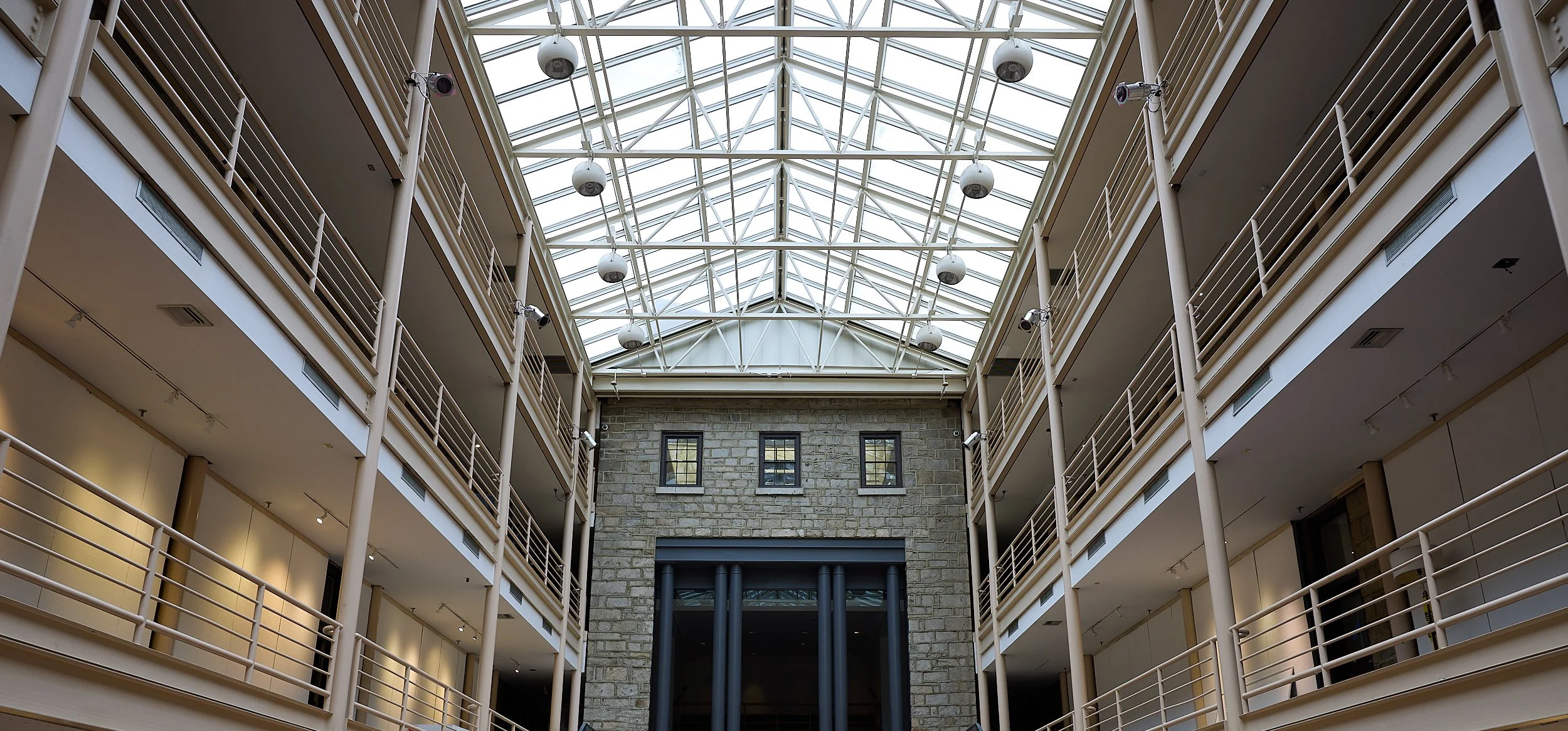
The Village of Industry & Art reimagines the historic Haviland and Furness buildings on South Broad Street to continue as a place for people to create and make. We envision a space supporting artists, designers, and cultural workers with space to work, reside, and collaborate - keeping creativity and working craftspeople embedded in the center of our city. Rooted in Philadelphia and open to the world, we aspire to create a working building where art is not separate from life.
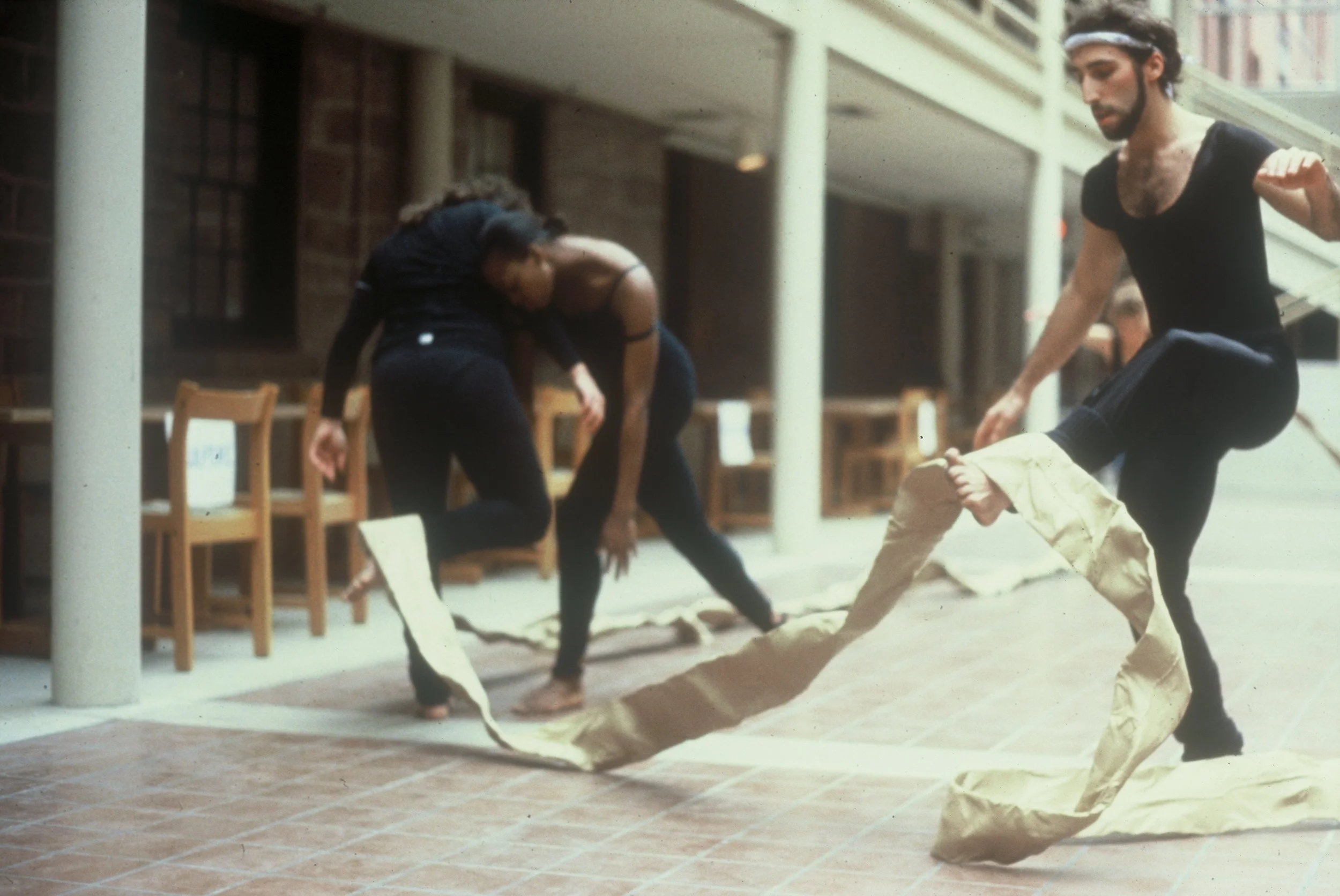
Site History
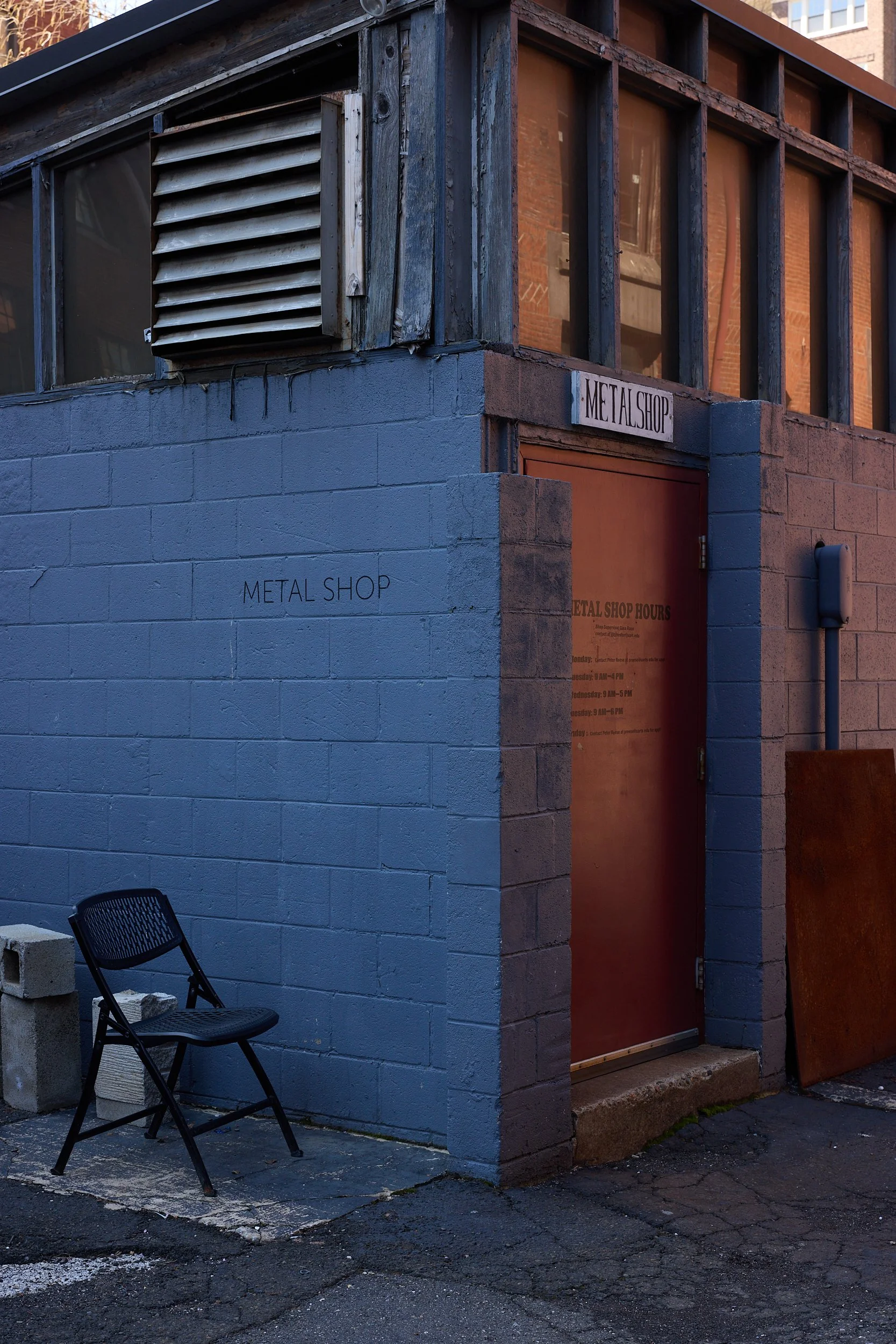
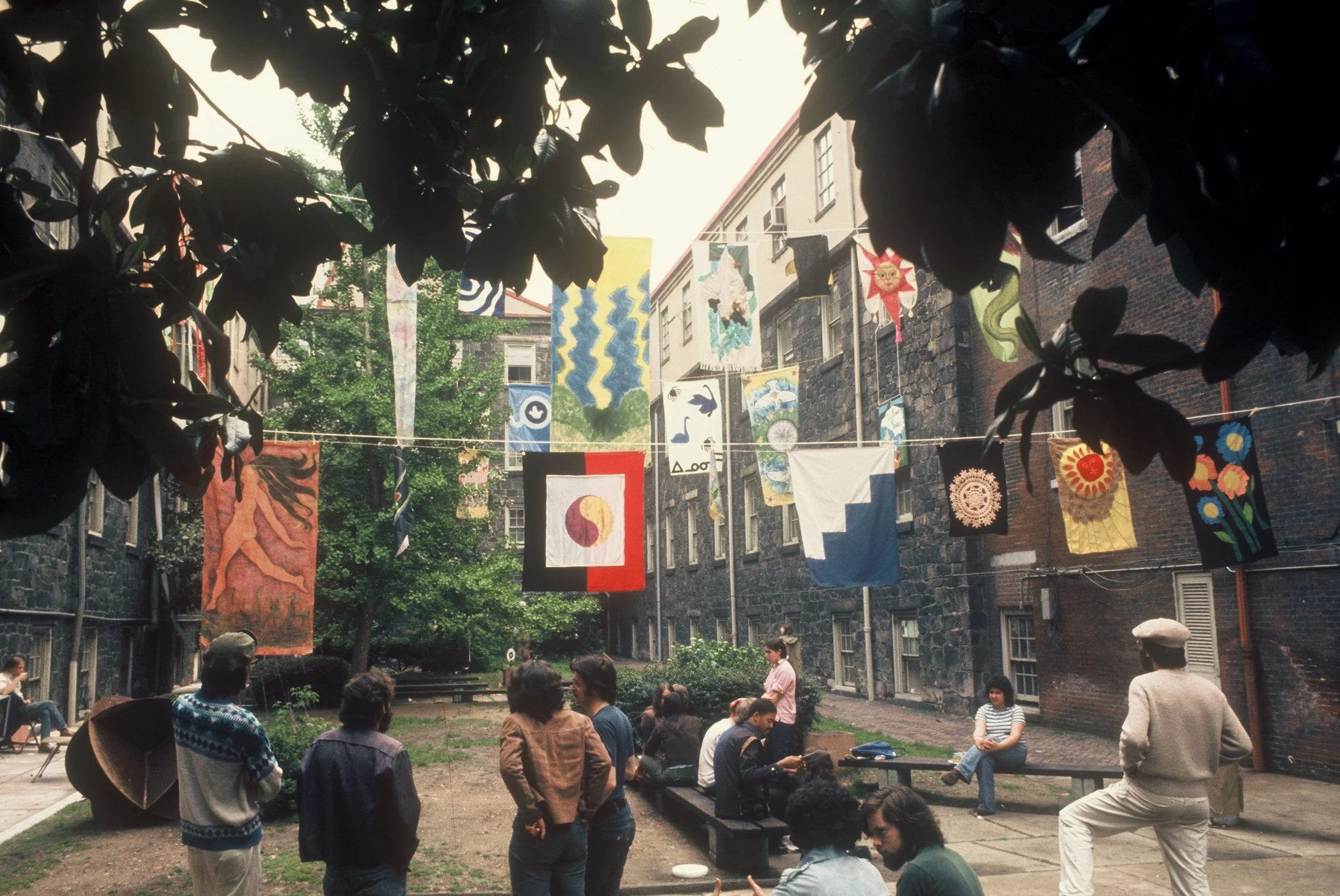
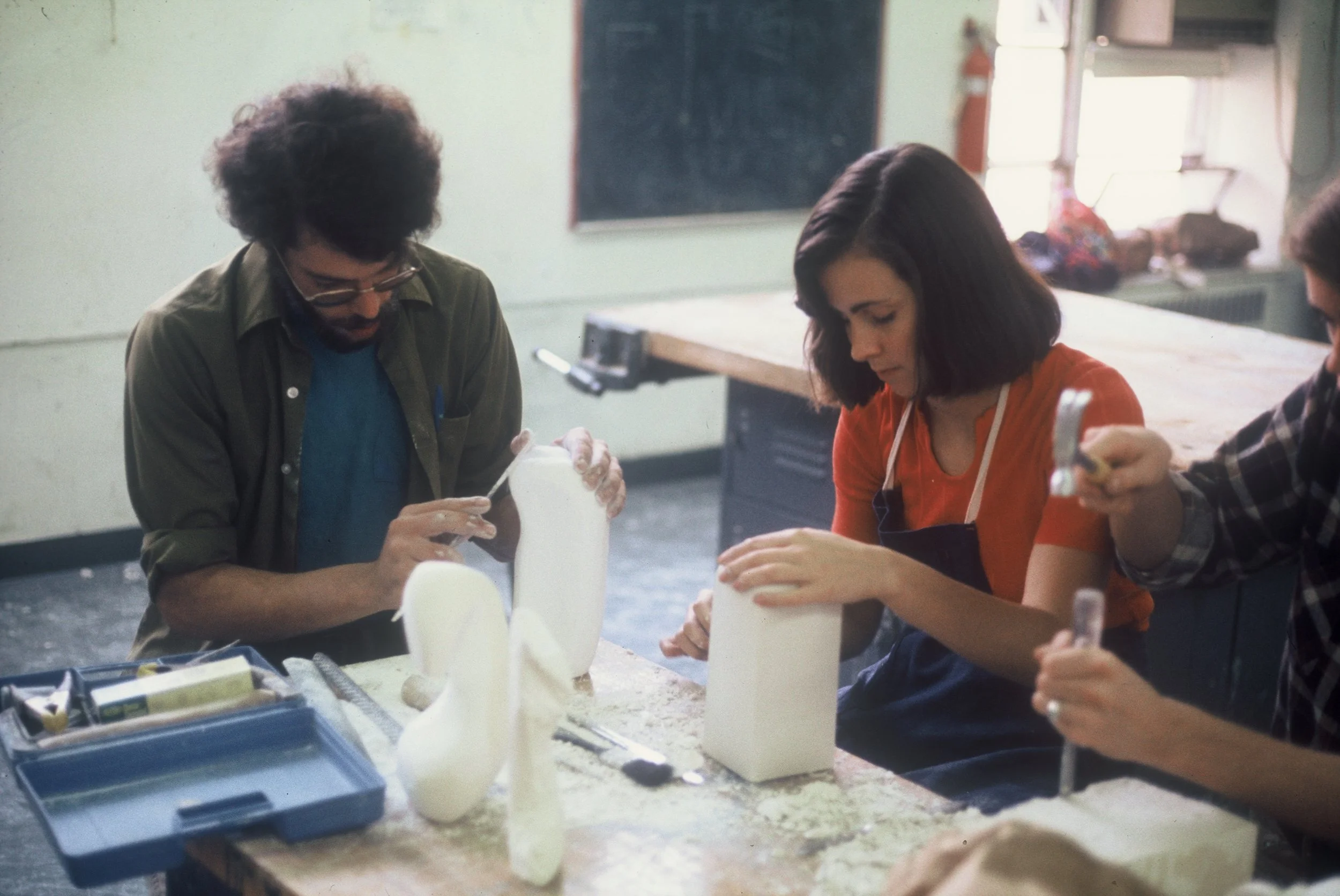
This site carries nearly 200 years of education, and creativity history in Philadelphia. Haviland Hall, the oldest building on Broad Street, predates even Philadelphia City Hall (by 77 years!) Today, the Village of Industry & Art seeks to honor the artistic spirits of all the creative people who have come through this space before us and reimagine these buildings as a living hub for contemporary artists, makers, and community life.
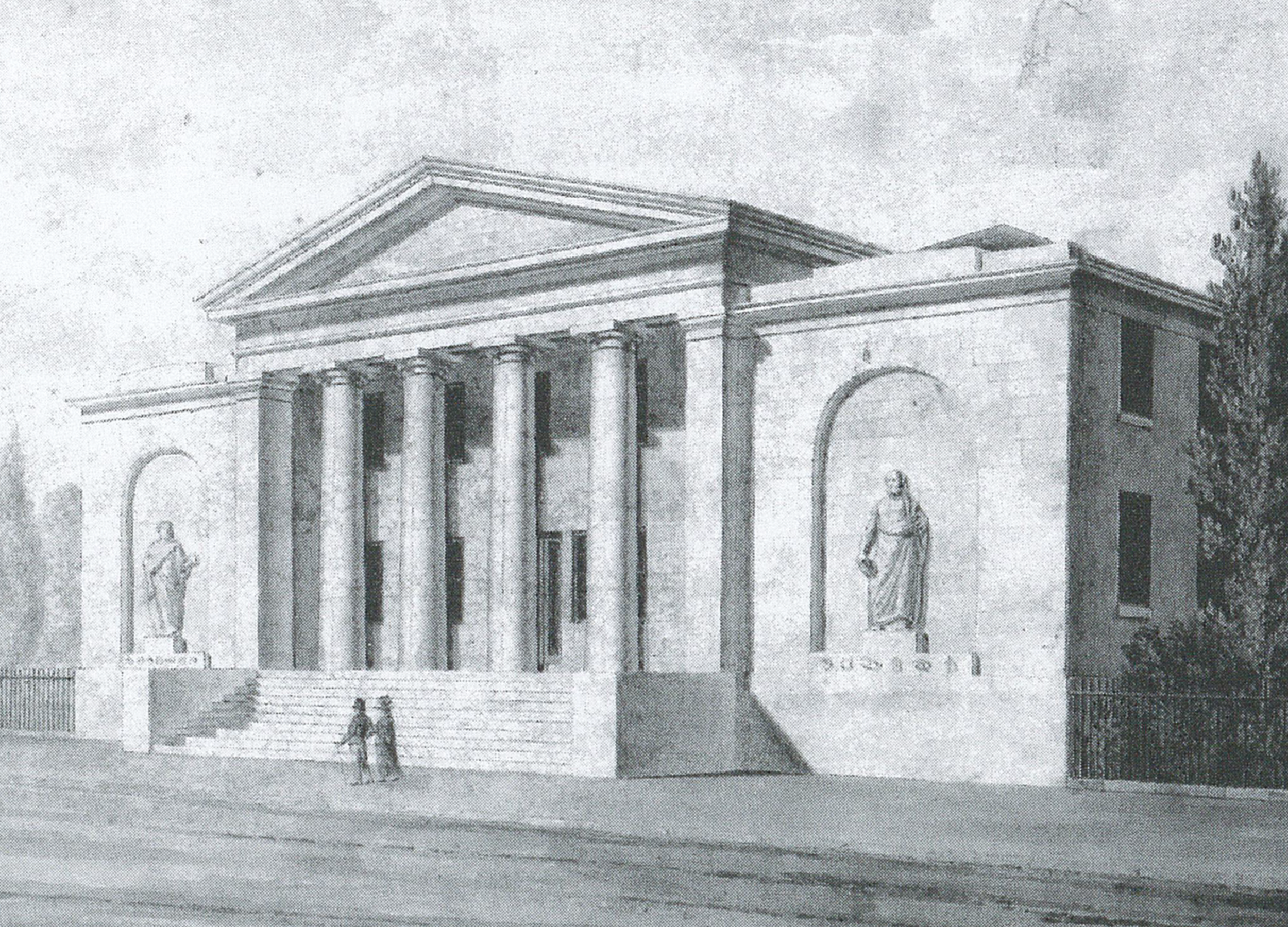
1824
Haviland Hall built
The Haviland-Strickland building is designed by architect John Haviland for one of the country's first schools for the Deaf. Construction is complete by 1824. The east and west wings of the building are added by 1837 as the institution grows.
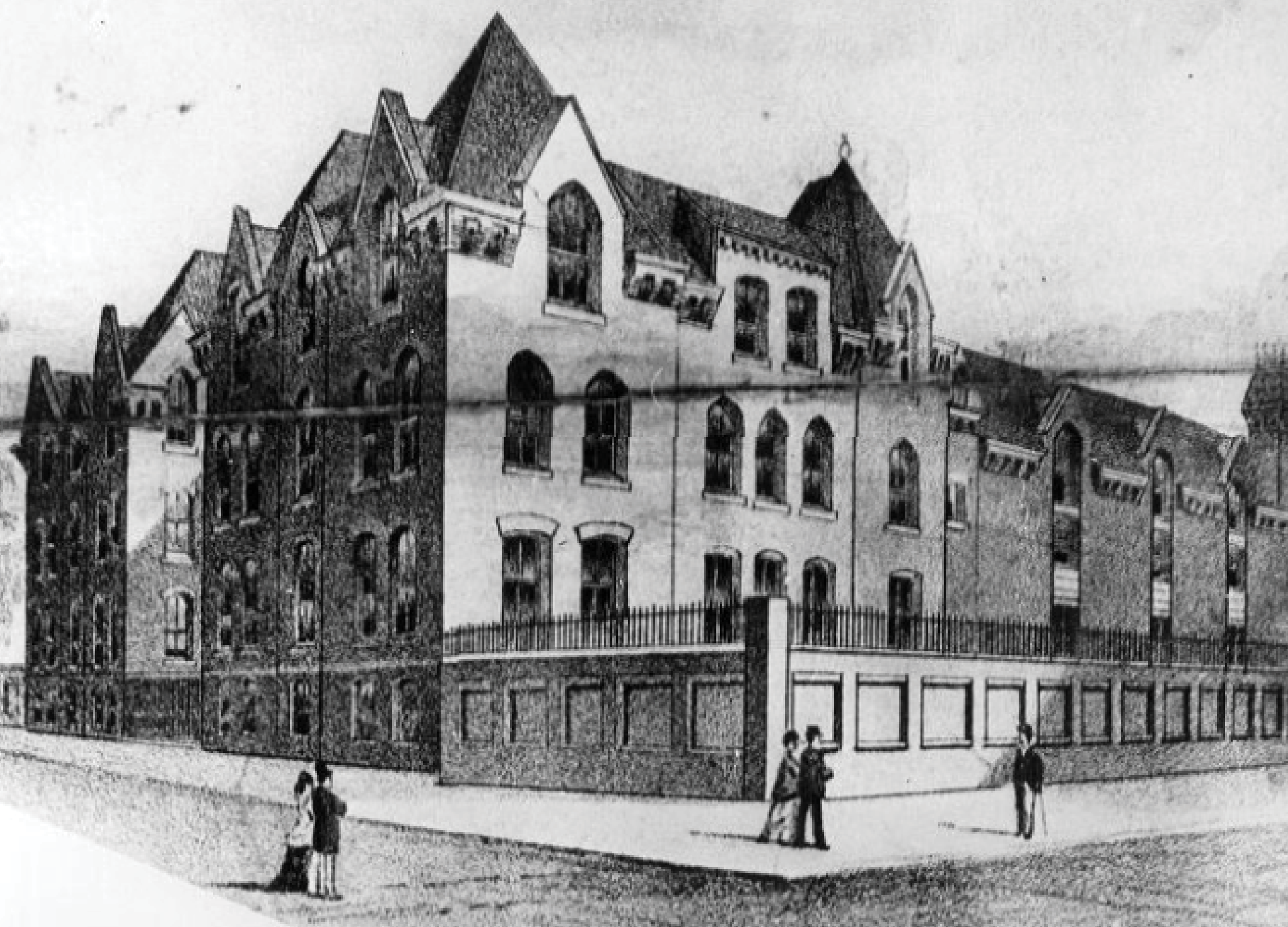
1875
Furness Hall built
Famed Philadelphia architect Frank Furness designs an addition in 1875—so called “Furness Hall” featuring his iconic use of intricate brickwork.
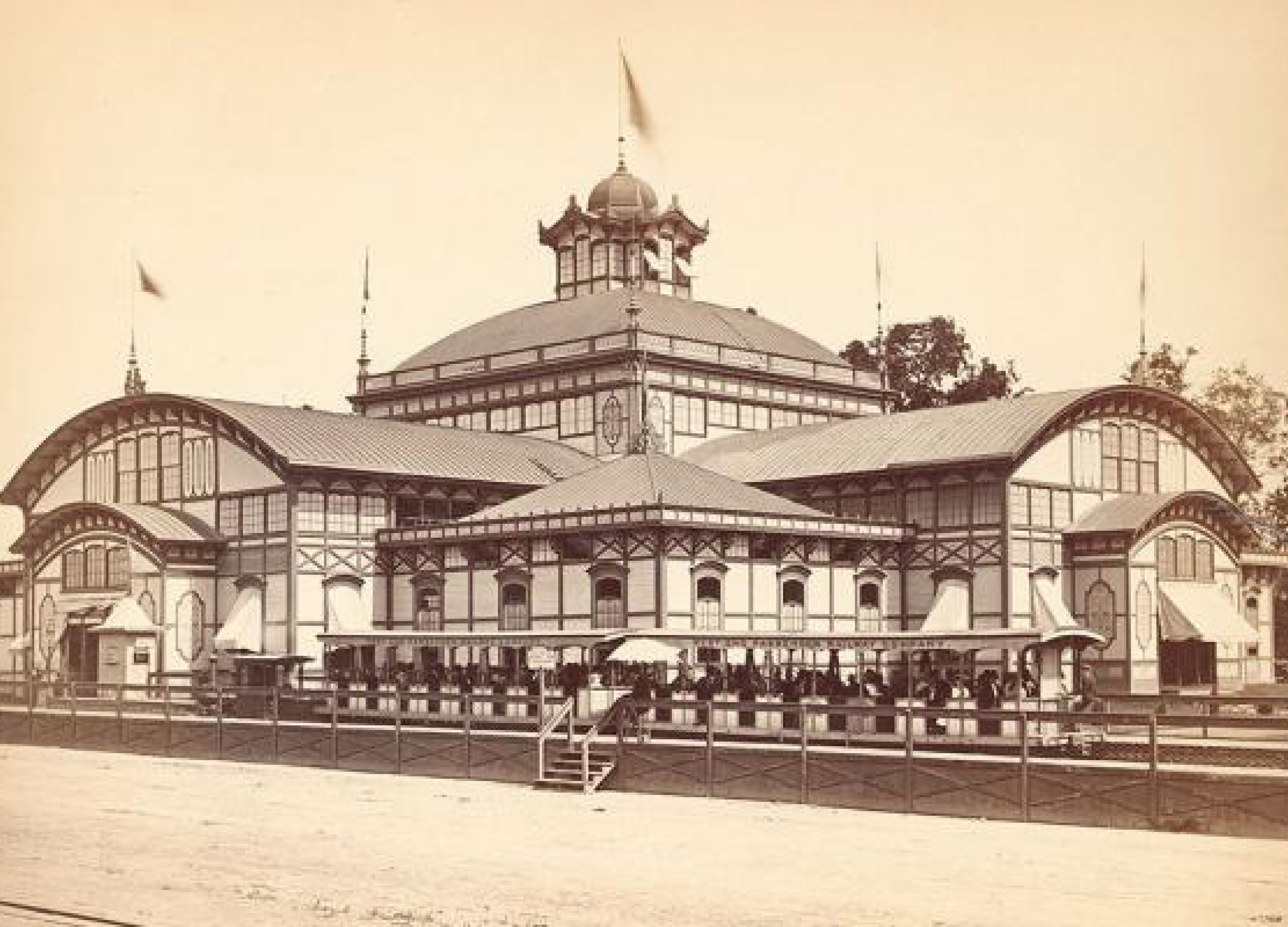
1893
PMSIA moves in
The Pennsylvania Museum and School of Industrial Arts (PMSIA) is chartered and founded in 1876, aspart by the historic Centennial Exposition that year. PMSIA’s purpose is to be “distinctly industrial” and it is modeled off of the “museum-school” in London (now known as the Victoria & Albert Museum). In 1893 the PMSIA acquires Haviland and Furness Halls.
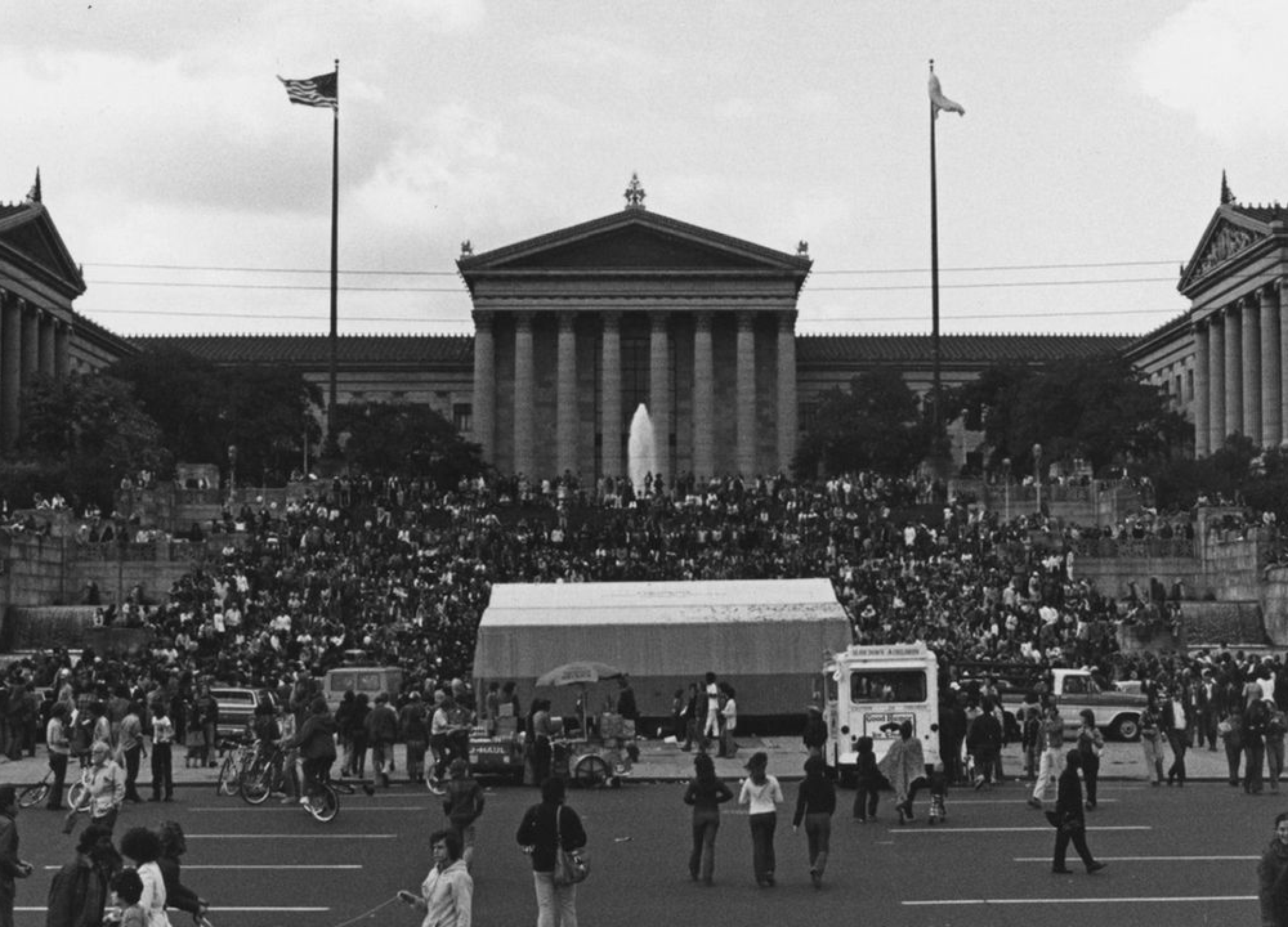
1964
The Museum breaks off
PMSIA’s “museum” and “art school” separate in 1964: the museum becomes the Philadelphia Museum of Art , and the school becomes the Philadelphia College of Art (PCA).
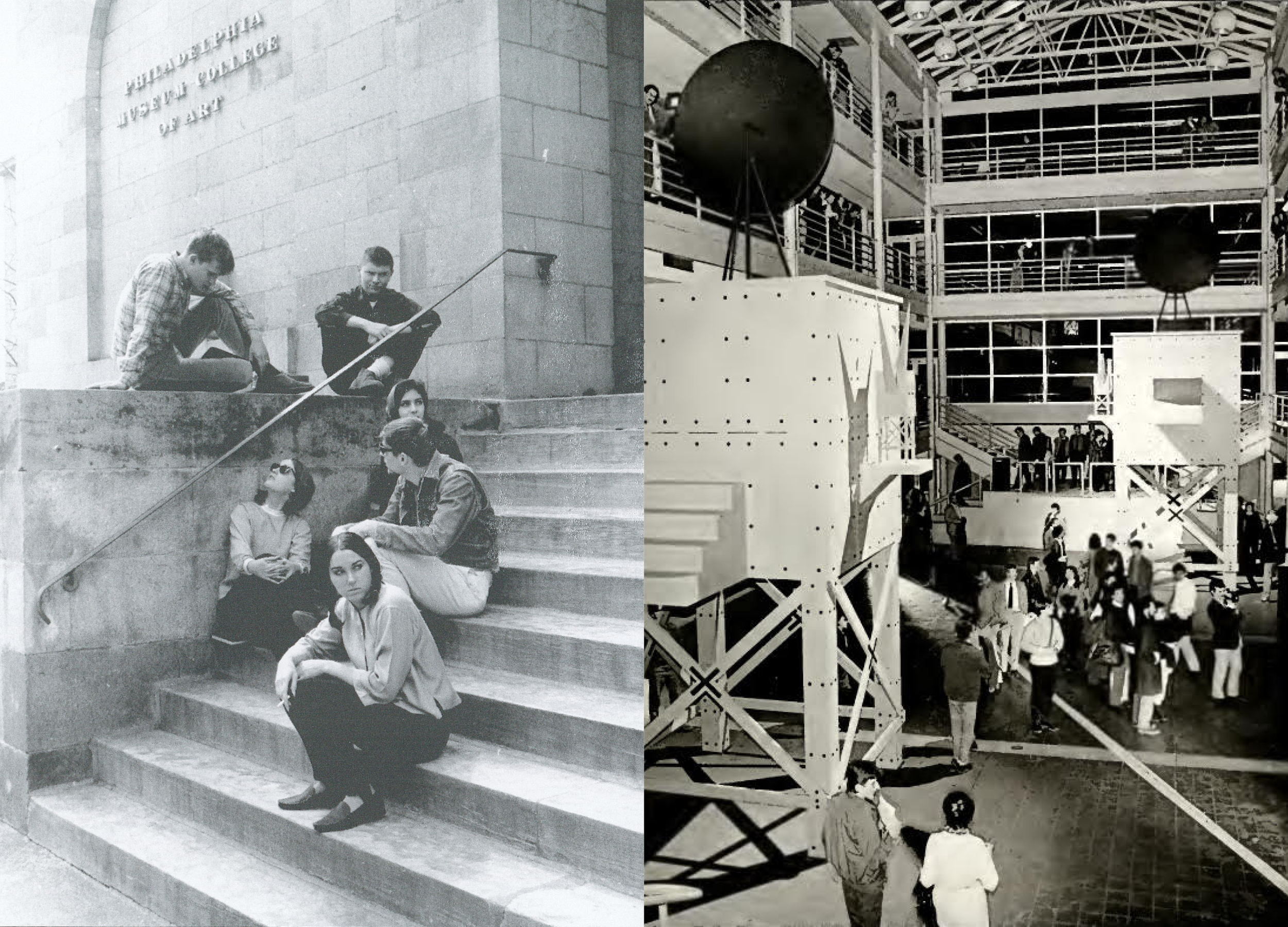
1987
University of the Arts rename
The Philadelphia College of Art (PCA) becomes the University of the Arts in 1987.
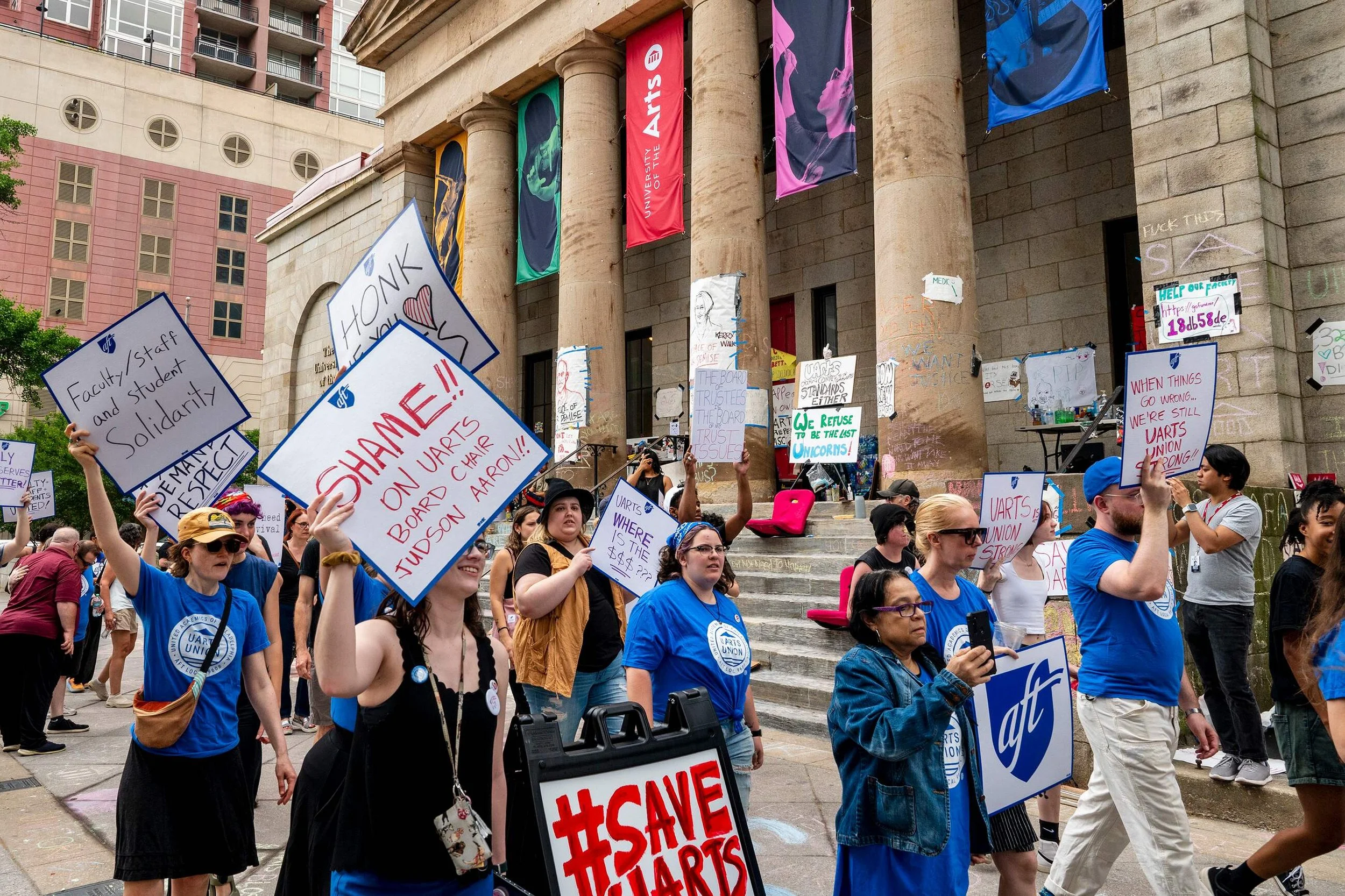
2024
University of the Arts suddenly closes
The University of the Arts abruptly announces bankruptcy in June 2024 and closes within two-weeks.
Photo by Tom Gralish for The Philadelphia Inquirer
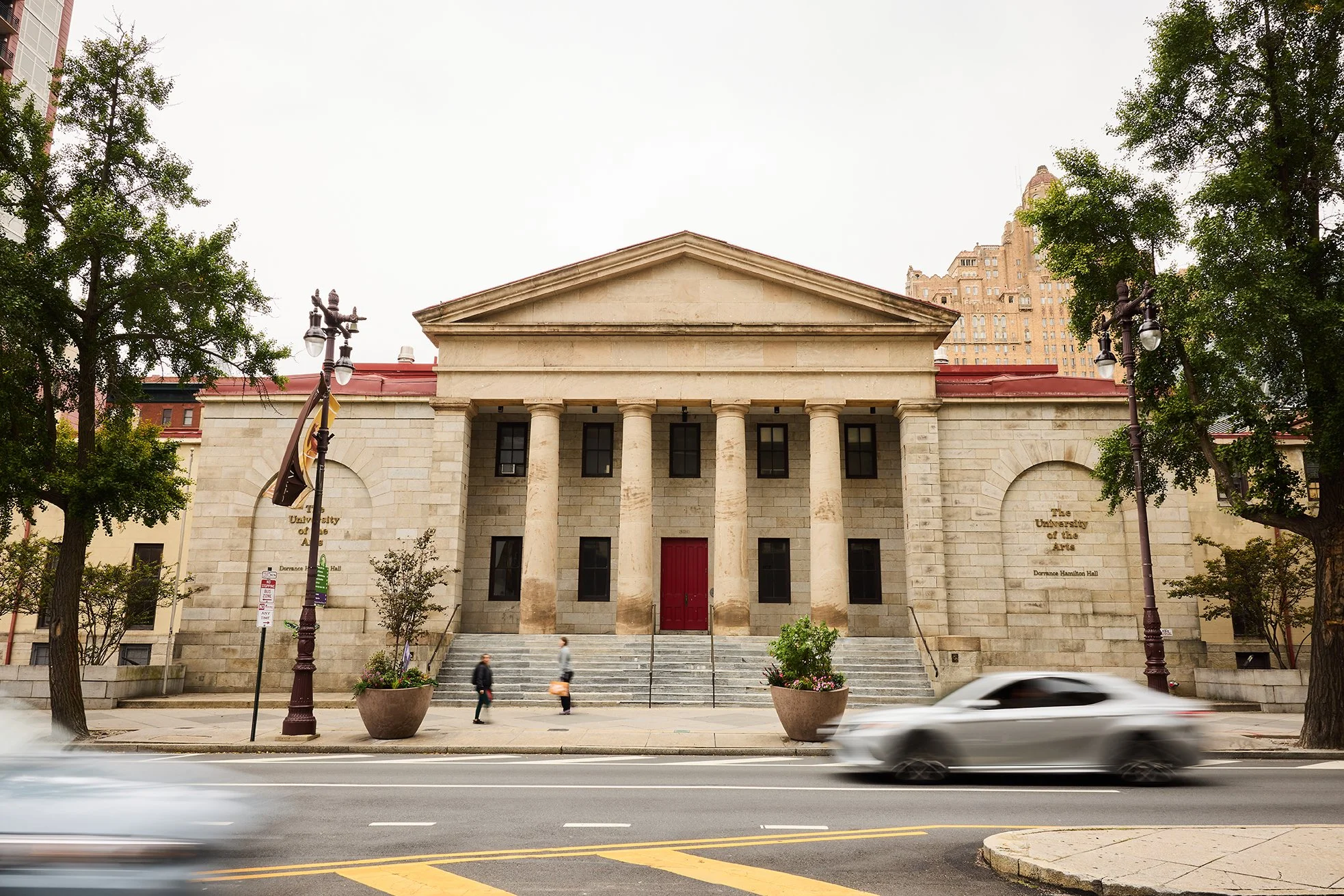
2025
Scout acquisition
On March 17, 2025 the site is acquired by Scout, the organization behind the transformation of the Bok Building in South Philadelphia. Similar to their work at Bok, the goal is to keep the space accessible to working artists, makers, and small businesses, and provide affordable housing for artists. We feel the weight of responsibility to defend the history of this space as a creative place.
2025
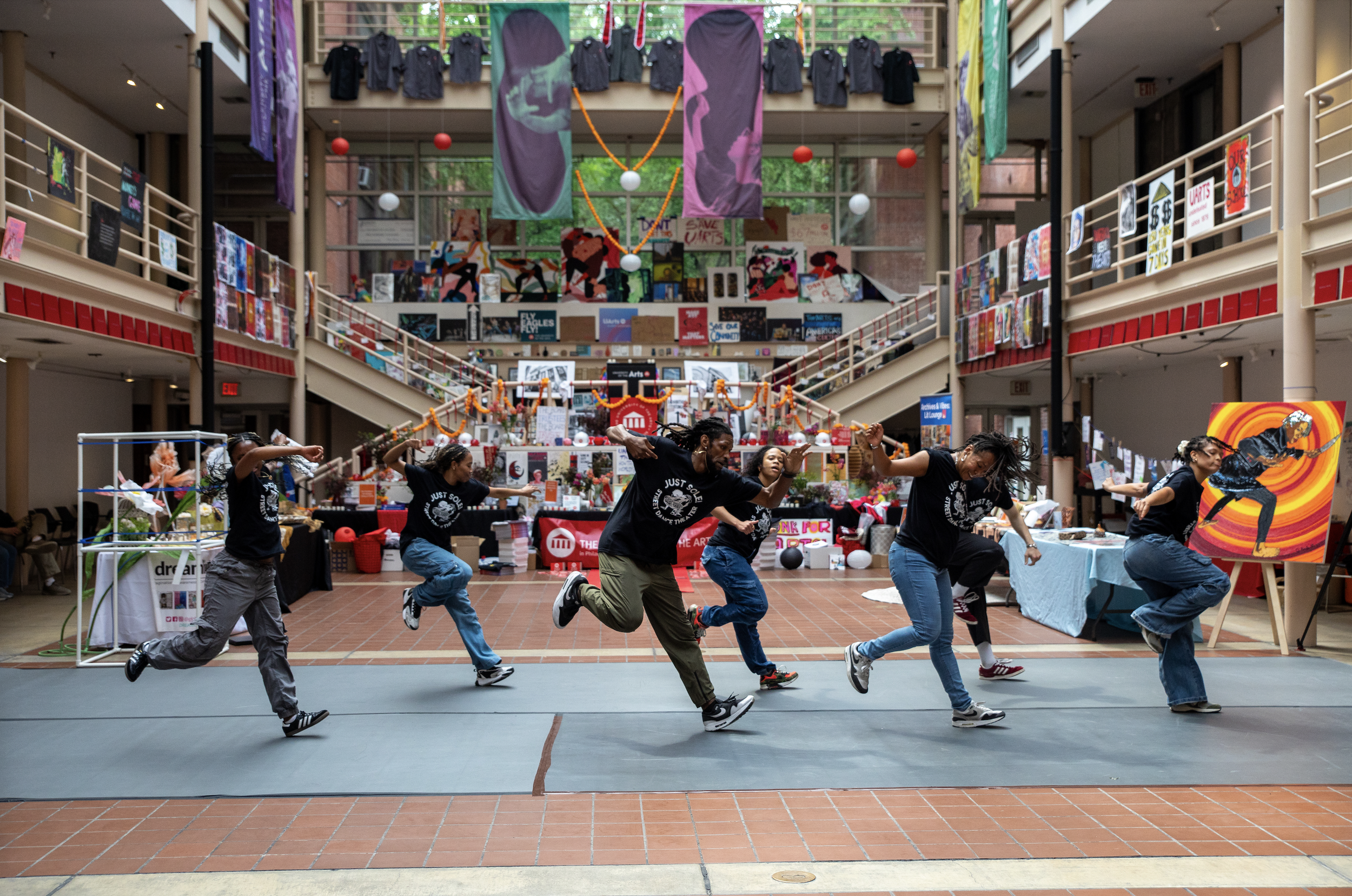
Scout invites the city in
From June 4-8, 2025, Scout hosts a five-day “Celebration of Life” in the building’s atrium to honor the legacy of University of the Arts and attempt to provide some closure and healing related to the abrupt closing. Later that same summer Scout opens Frankie’s Summer Club (a nod to architect Frank Furness) as a temporary pop-up in the courtyard, welcoming the community into a magical garden that was never publicly accessible.
2026
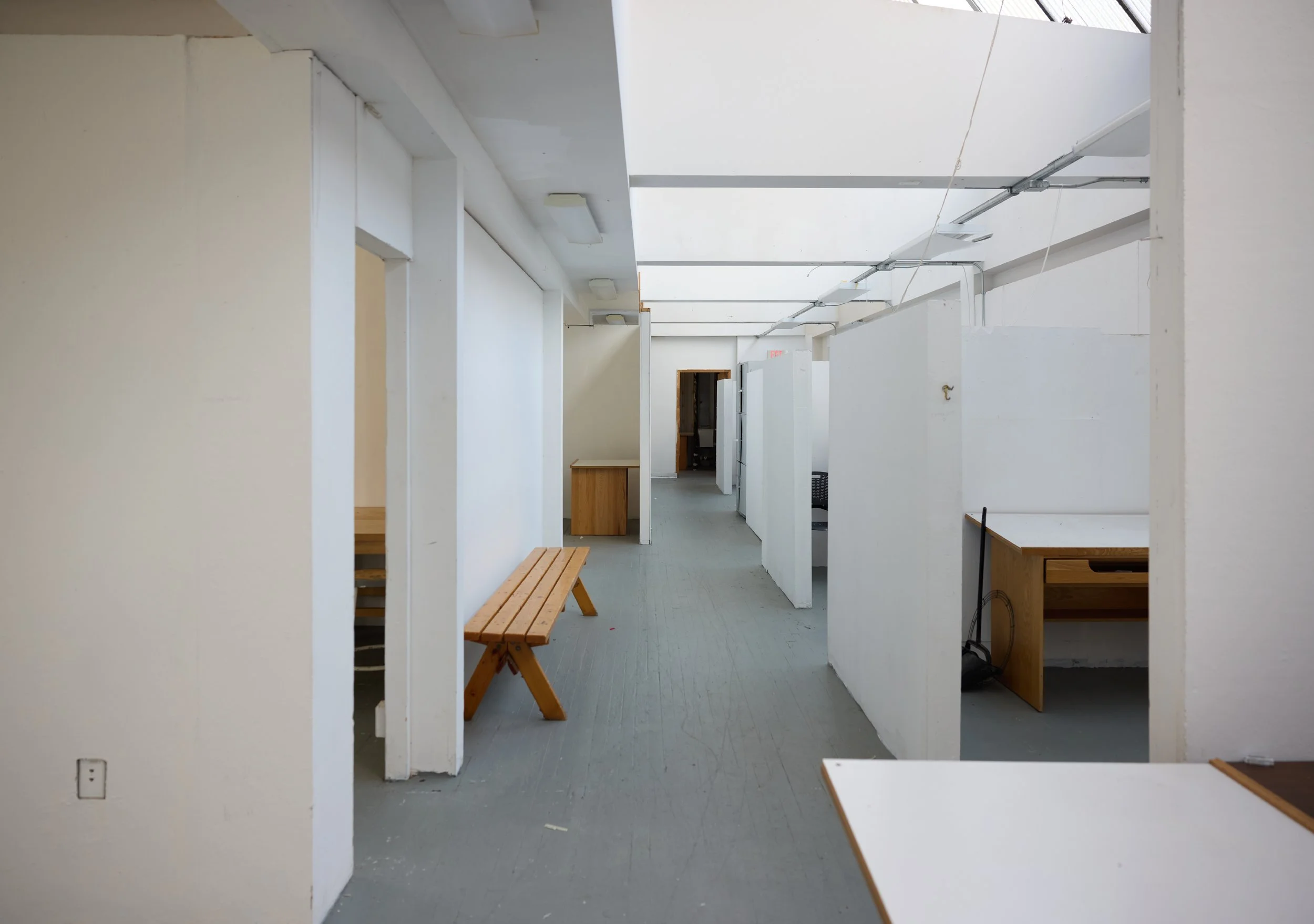
Building the community
The first tenants move in as Scout begins to breathe life into a historic space where art, culture, and creativity can continue to grow in Philadelphia. 2026 anticipates mass citywide celebrations for the United States’ Sestercentennial (250th Anniversary).
Our Team
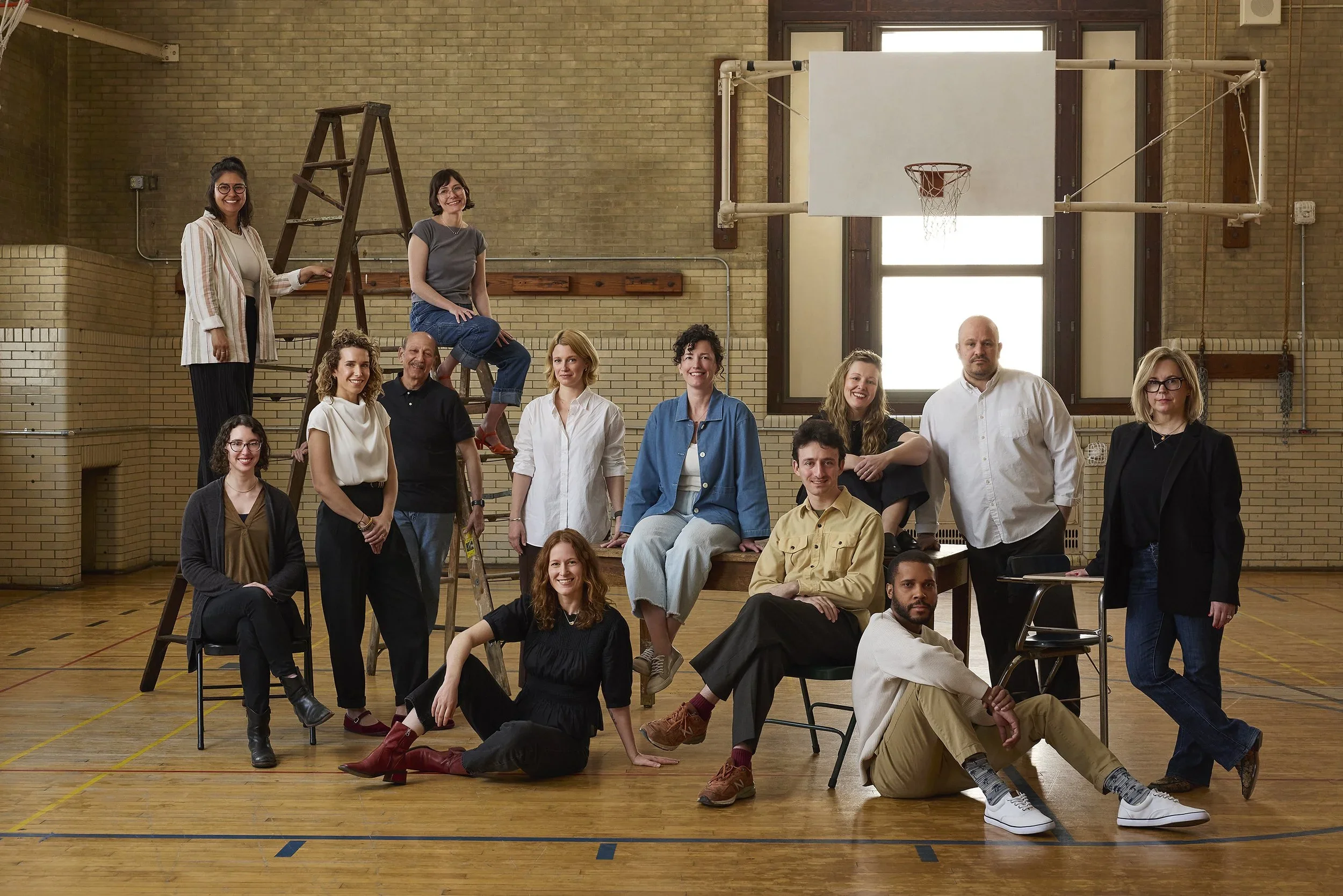
Lovingly restoring and operating Village of Industry & Art since 2025. To learn more about the Scout team and what they do, visit our website
-
![]()
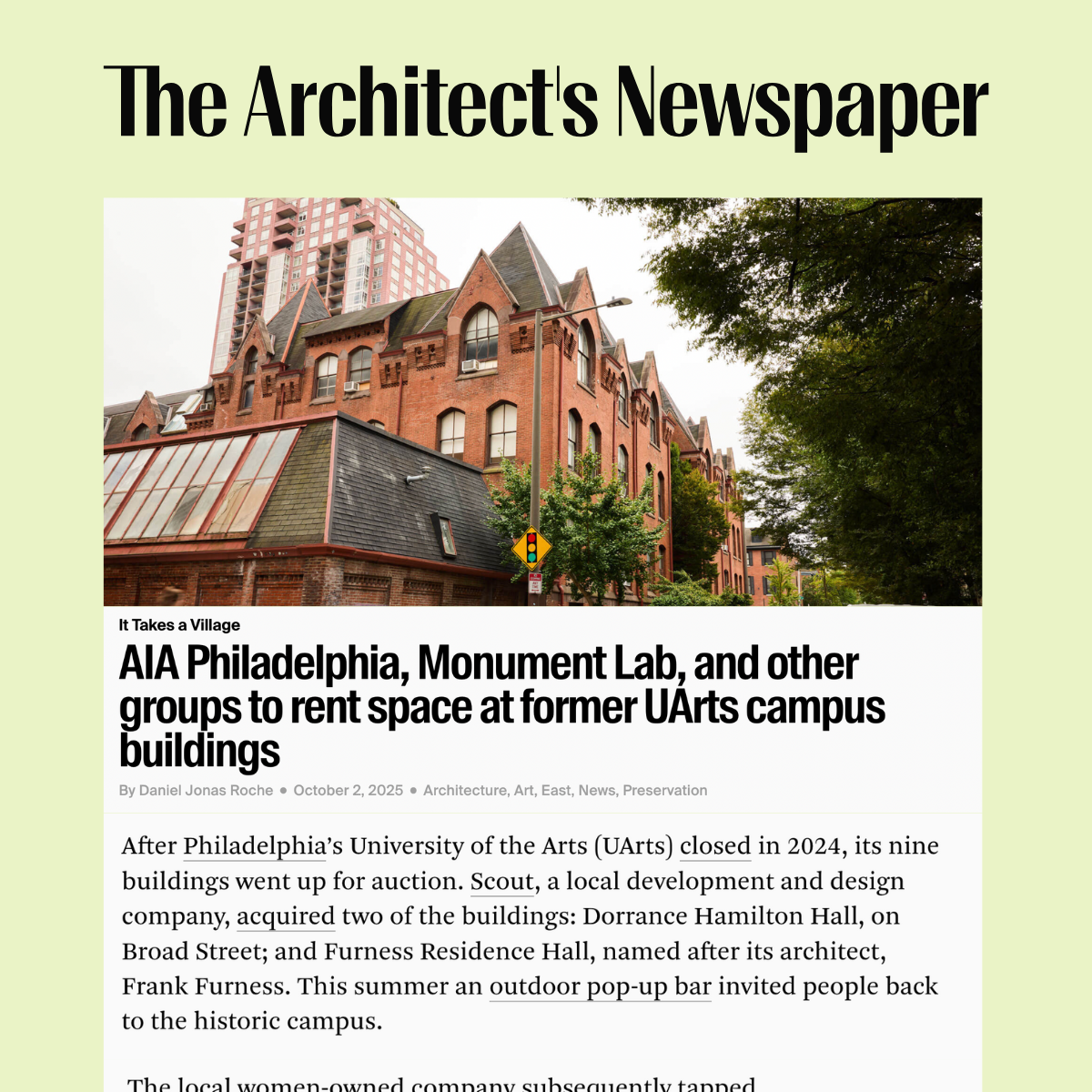
AIA Philadelphia, Monument Lab, and others partner to test space at former UArts campus buildings
The Architects Newspaper -
![]()
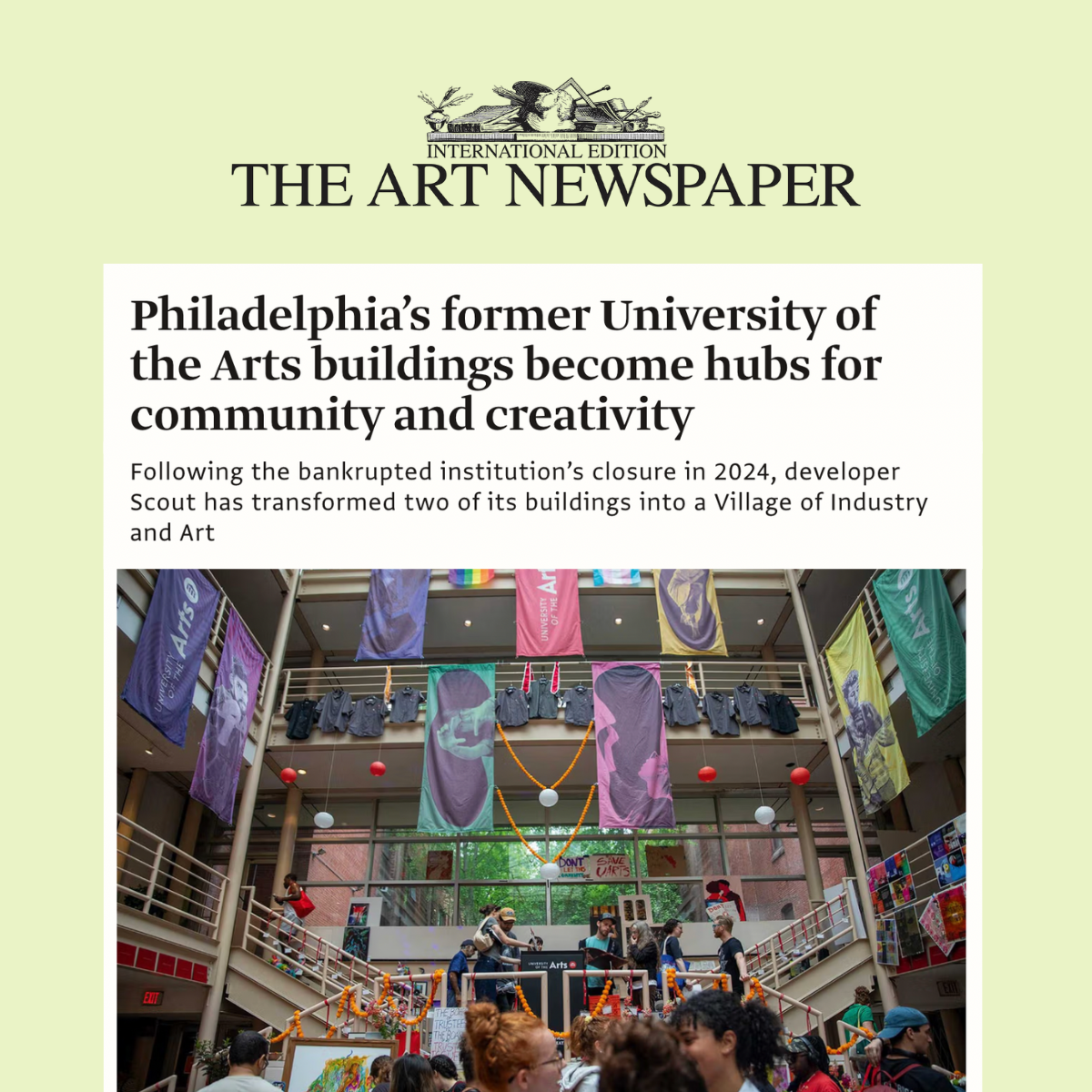
Philadelphia’s Former University of the Arts Buildings Become Hubs for Community Creativity
The Art Newspaper -
![]()
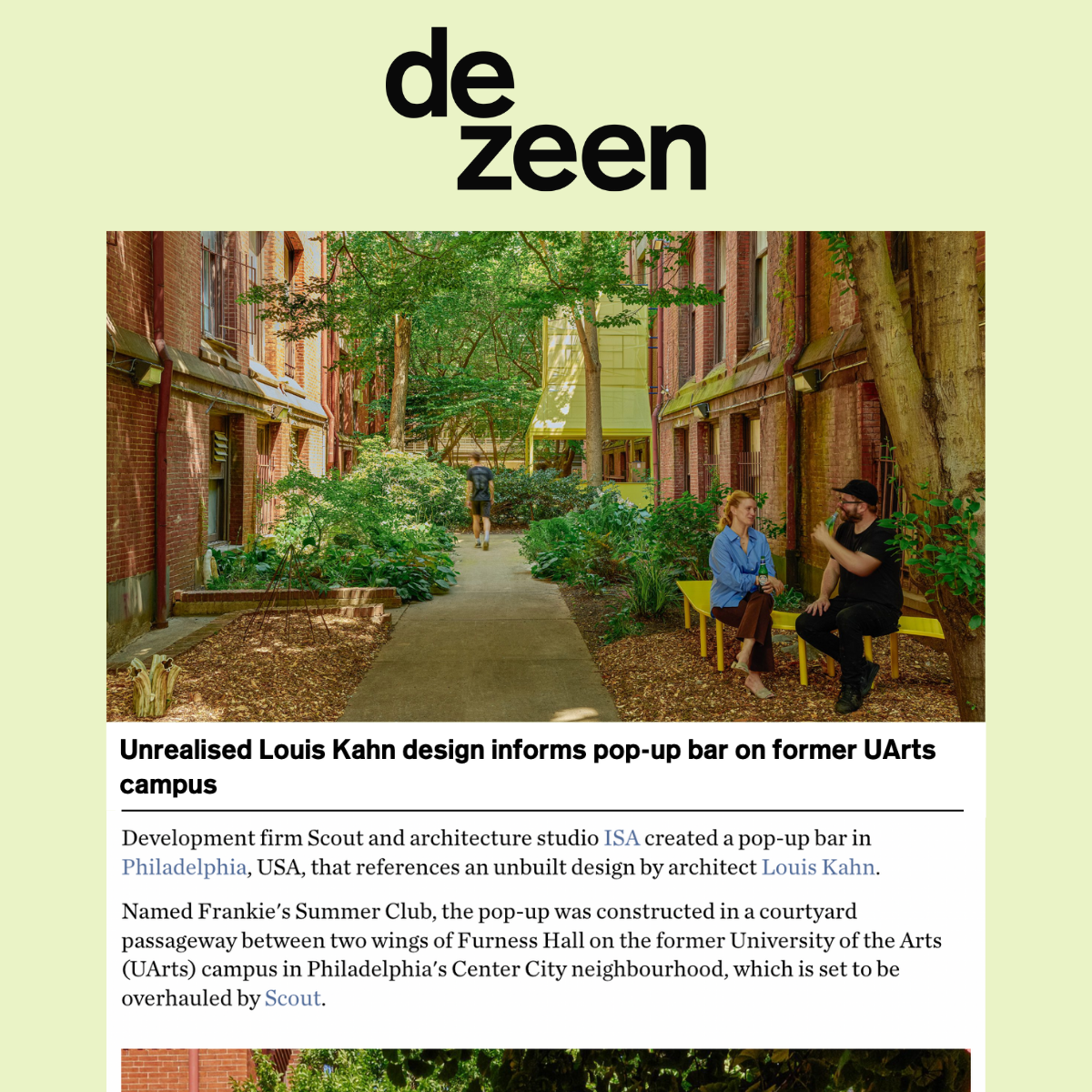
Unrealised Louis Kahn design informs pop-up bar on former UArts campus
dezeen -
![]()
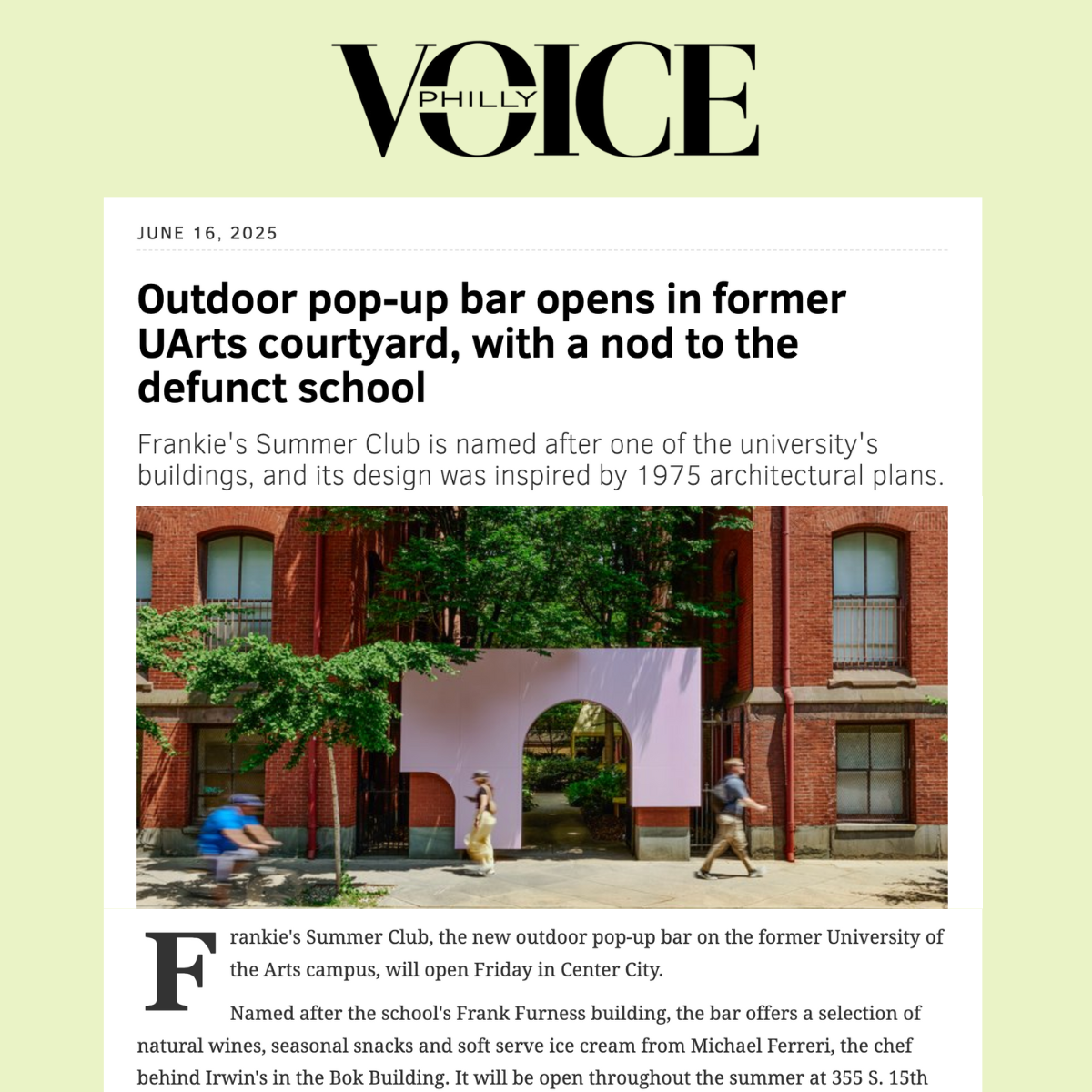
Outdoor pop-up bar opens in former UArts courtyard, with a nod to the defunct school
Philly Voice -
![]()
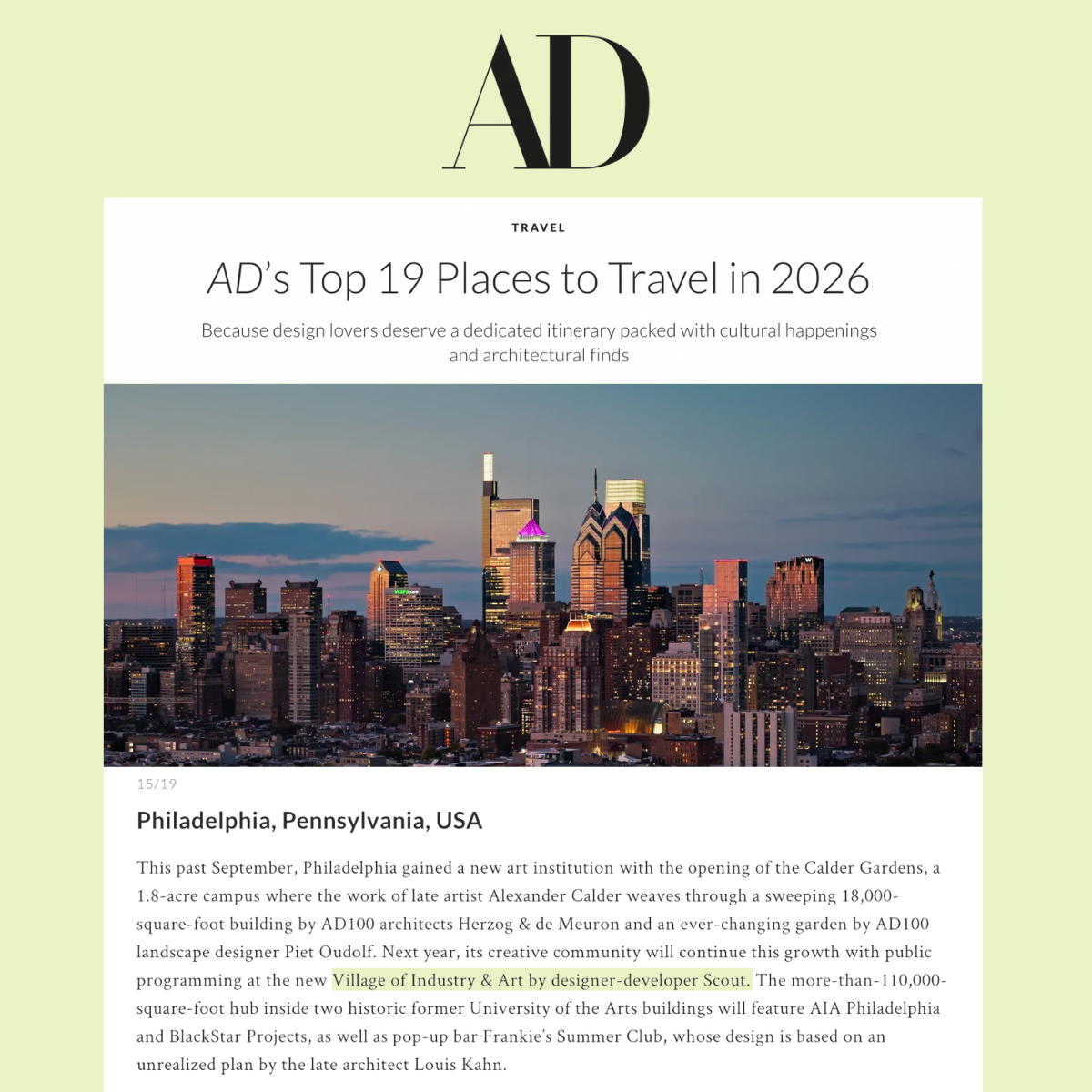
AD's Top 19 Places to Travel in 2026
Architectural Digest -
![]()
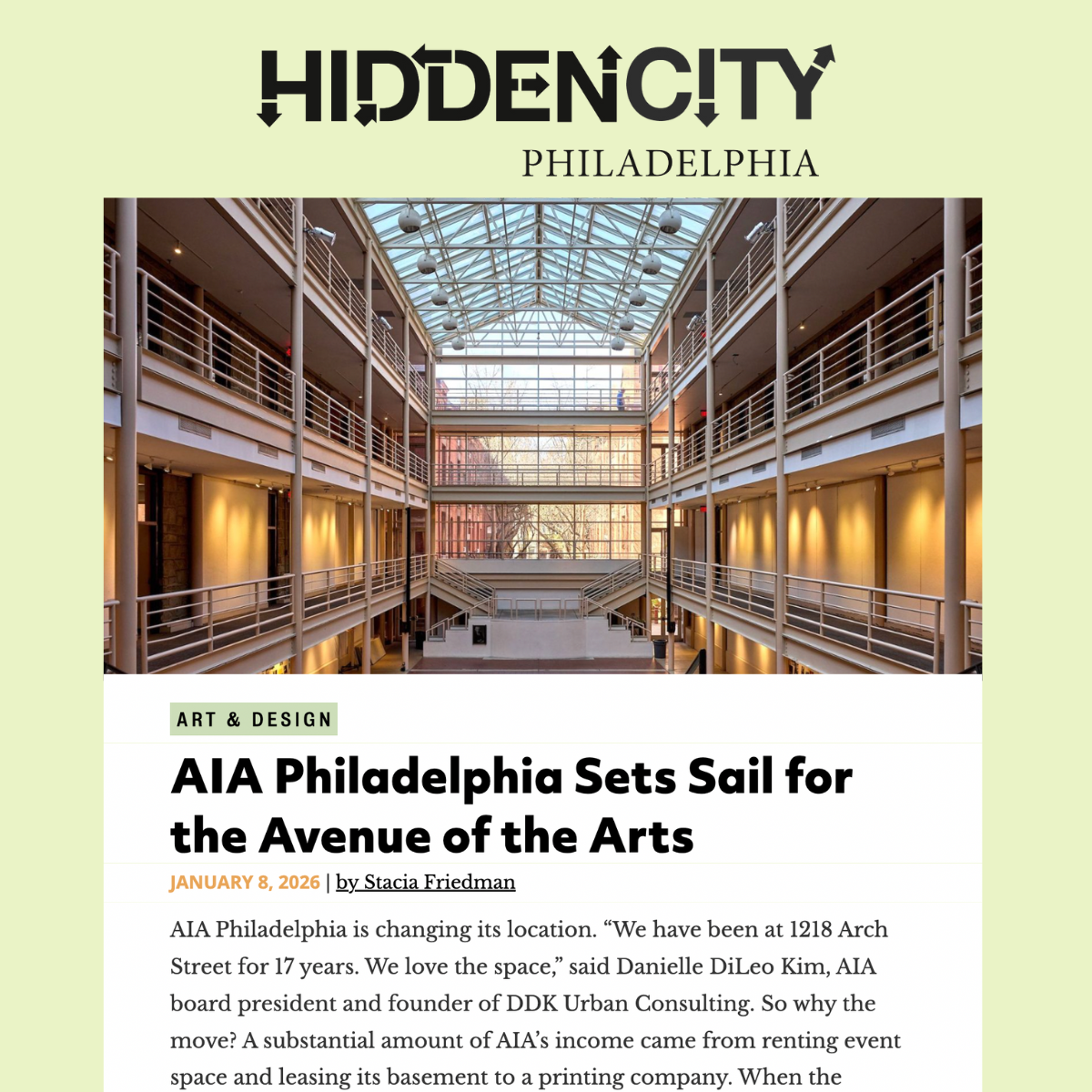
AIA Philadelphia Sets Sail for the Avenue of the Arts
Hidden City Philadelphia -
![]()
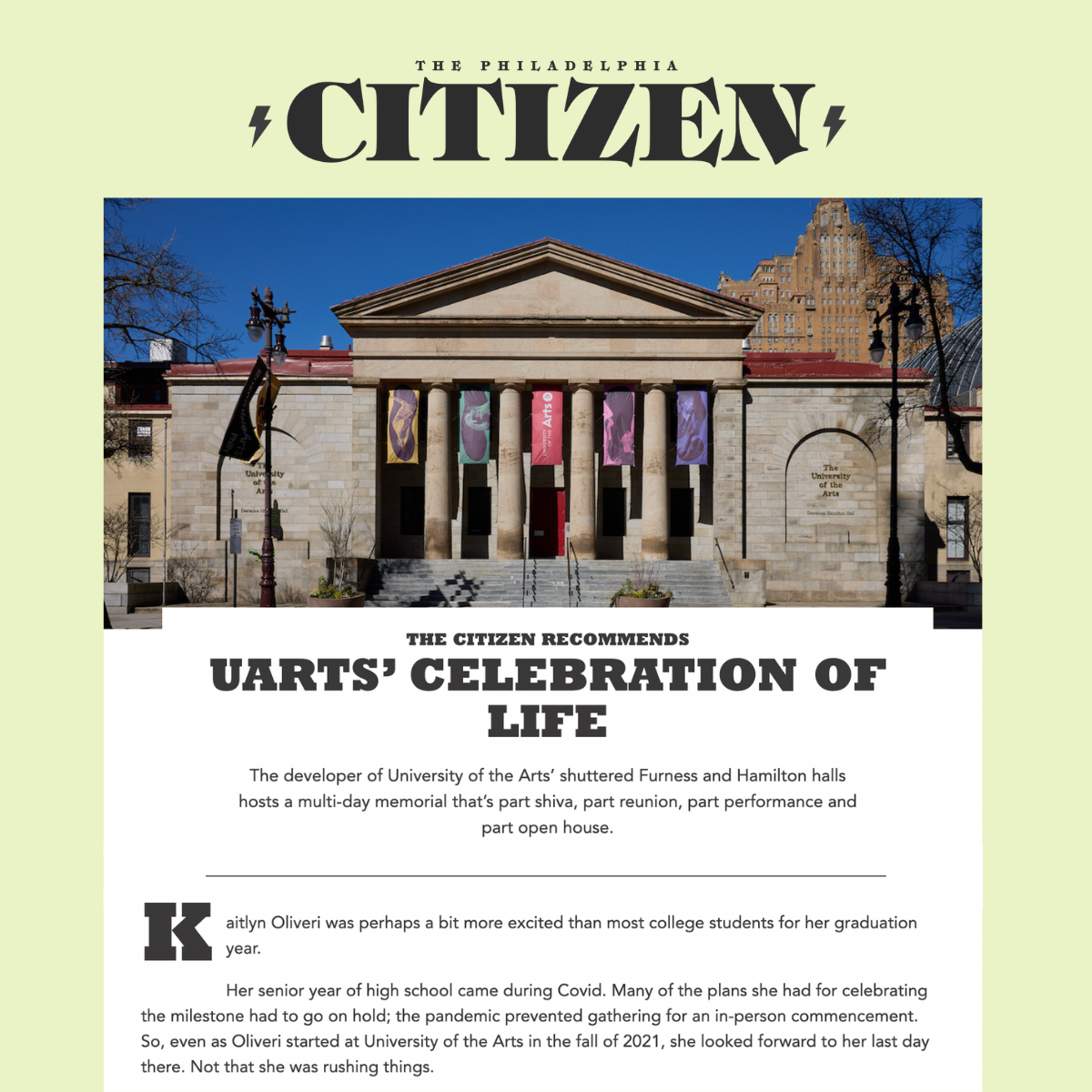
The Citizen Recommends UArts’ Celebration of Life
The Philadelphia Citizen -
![]()
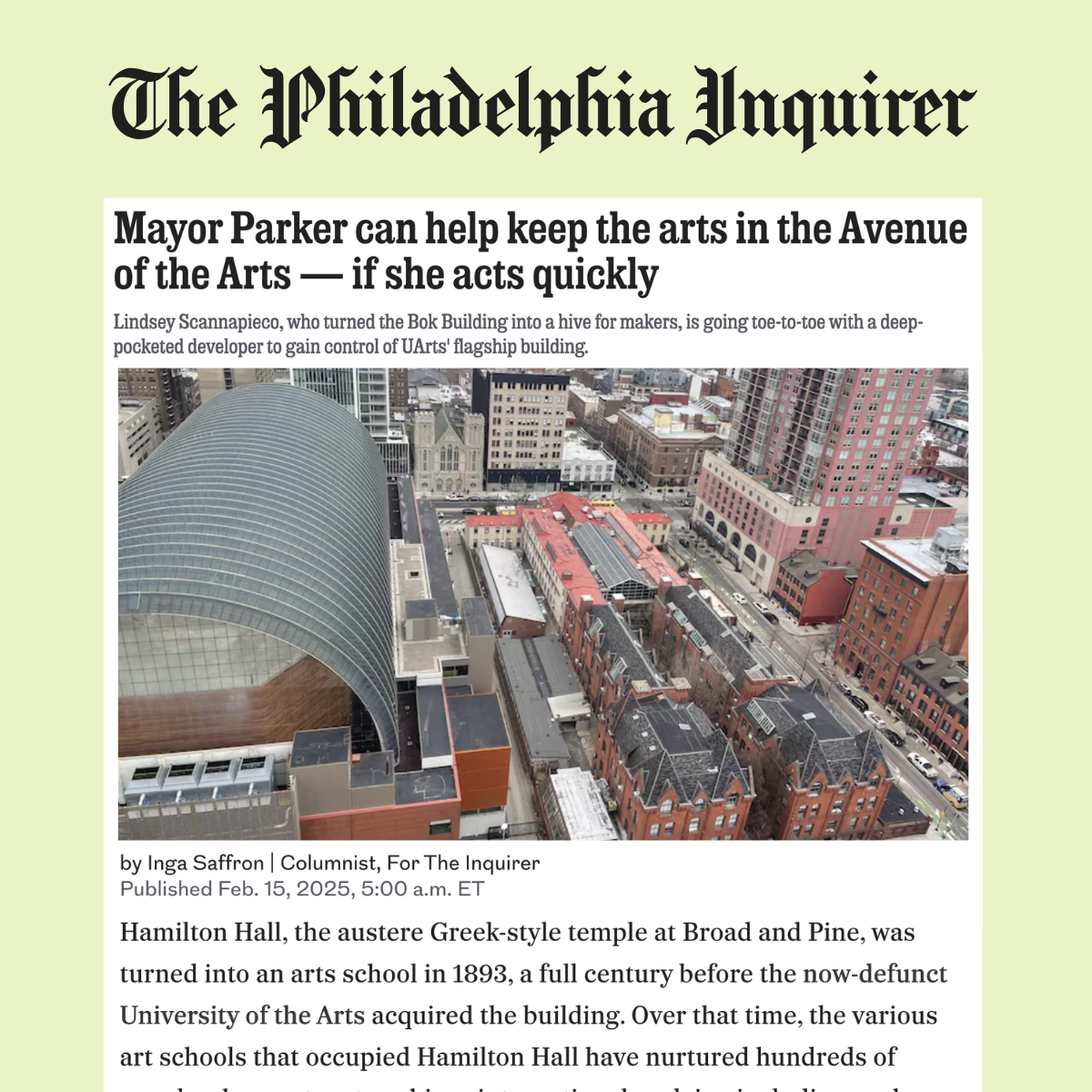
Mayor Parker can help keep the arts in the Avenue of the Arts — if she acts quickly
The Philadelphia Inquirer -
![]()
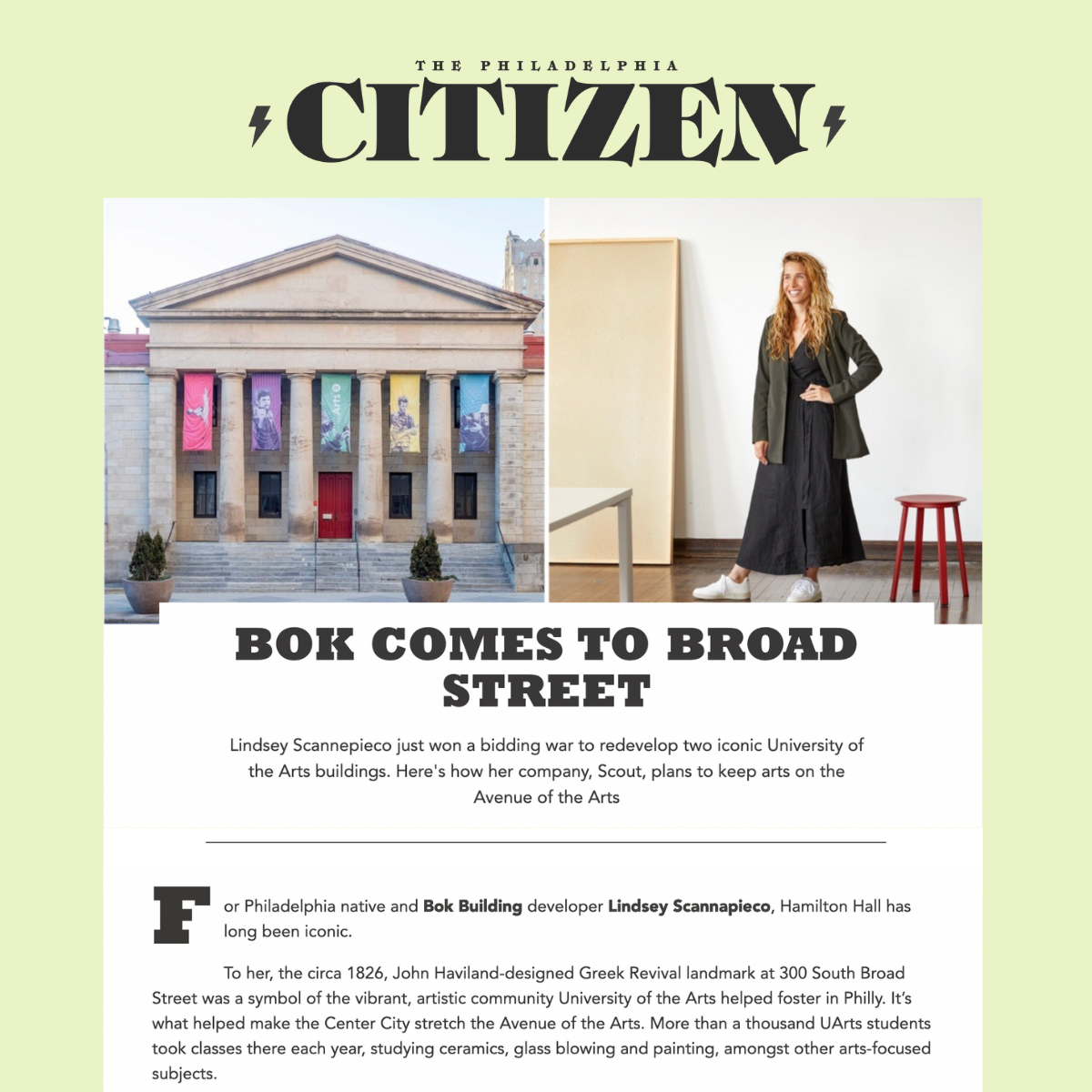
Bok Comes to Broad Street
The Philadelphia Citizen -
![]()
At its 10th anniversary, the Bok building boasts its economic impact
The Philadelphia Inquirer
Recognitions
2025
Global Philadelphia Globy Awards
2025
Preservation Alliance for Greater Philadelphia
For more recognitions for Scout, see here